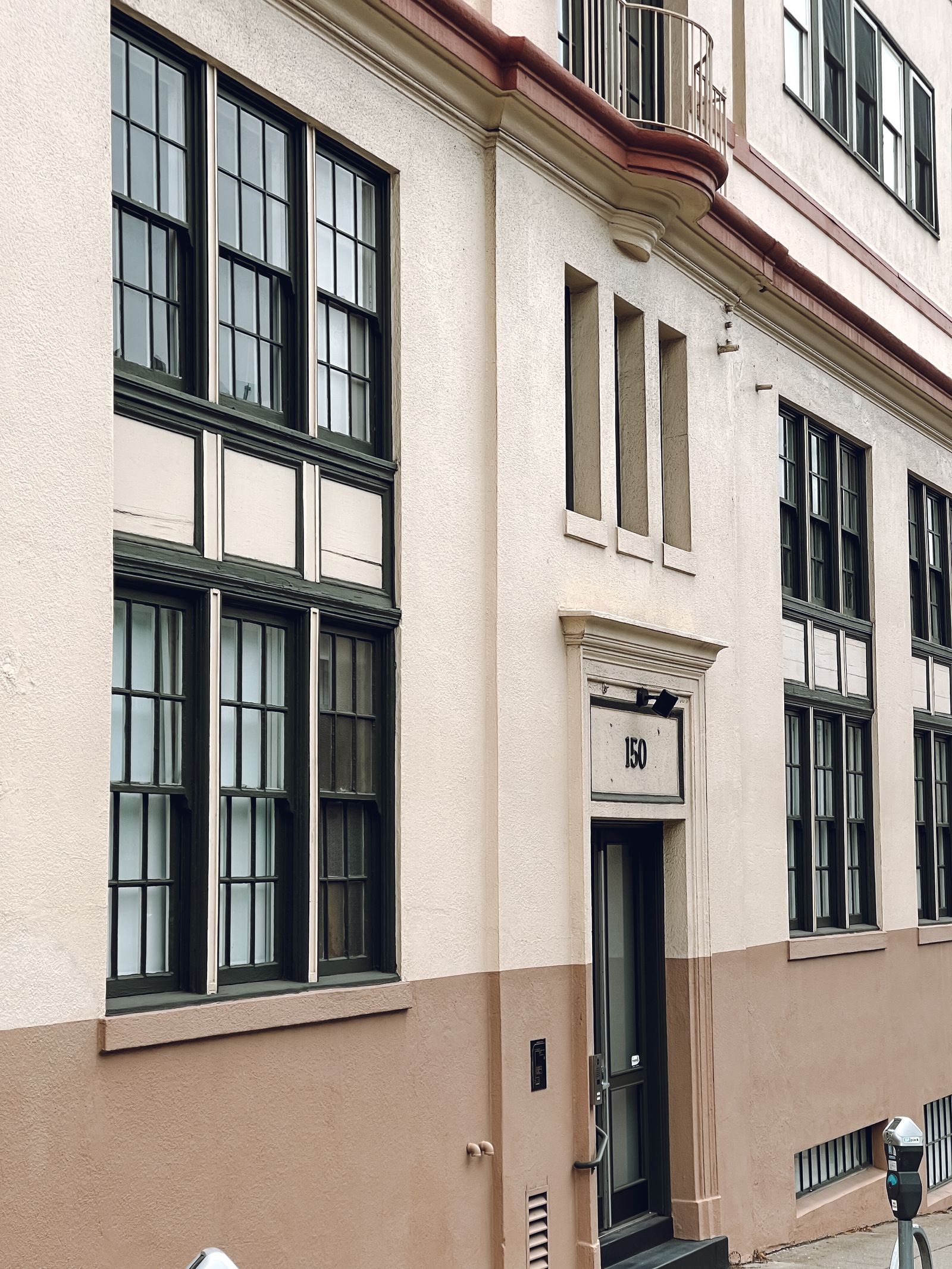
Soft washing treats compatible soil with controlled force
Soft washing generally combines a compatible cleaning solution, controlled dwell time, and a lower-pressure rinse for suitable organic and atmospheric soils. It may fit algae-like staining, pollen, mildew-like growth, bird residue, and some traffic film on evaluated brick, concrete, painted surfaces, stucco, EIFS, and other materials. The purpose is to loosen contamination without applying unnecessary force to the facade. It does not guarantee removal of every dark mark. Mineral scale, oxidation, soot, road salt, failed coatings, and a recurring roof-edge leak may require another treatment or repair review.
The important word is compatible. Chemistry can affect vegetation, metals, glazing, sealants, coatings, and runoff. A Dublin proposal should explain testing, product selection, dwell limits, rinsing, plant and equipment protection, public separation, and what happens if a surface responds differently than expected. On an occupied site, low-pressure work still needs entrance controls, air-intake review, hose routing, and water management. The label alone is not a complete method.
- Often considered for compatible organic growth, pollen, bird residue, and selected atmospheric film.
- Requires chemistry, dwell time, rinse, protection, and runoff controls suited to the material.
- Should not be sold as a repair for failed joints, leaking roof edges, damaged coatings, or spalled masonry.
Pressure washing has a narrower commercial role
Pressure washing can be appropriate for evaluated durable concrete, selected hardscape, curbs, loading areas, dumpster pads, and localized deposits when pressure, flow, distance, overspray, and runoff are controlled. It may help with tracked soil or heavy pavement buildup that needs mechanical agitation. The fact that a surface is hard does not remove the need to protect joints, doors, electrical equipment, landscaping, vehicles, pedestrians, and nearby tenants.
Pressure can damage older mortar, soft brick, painted metal, EIFS, stucco, sealants, coatings, window seals, and delicate trim. It can also drive water behind cladding or into openings. On a Historic Dublin facade, a force-first approach may turn a removable surface problem into mortar loss or a repair claim. On a newer office building, the same setting may mark a coating or push water around a joint. The contractor should identify the actual pressure and flow plan by zone rather than promise that a high number means a better result.
A commercial scope may use both methods. For example, a Tuttle Crossing property could receive a soft-wash treatment on a brick elevation, controlled pressure on a durable concrete apron, and hand work around storefronts. A warehouse near US-33 could need a different sequence at dock walls, painted panels, doors, and truck lanes. The best method is often a mapped combination, not a single label for the whole address.
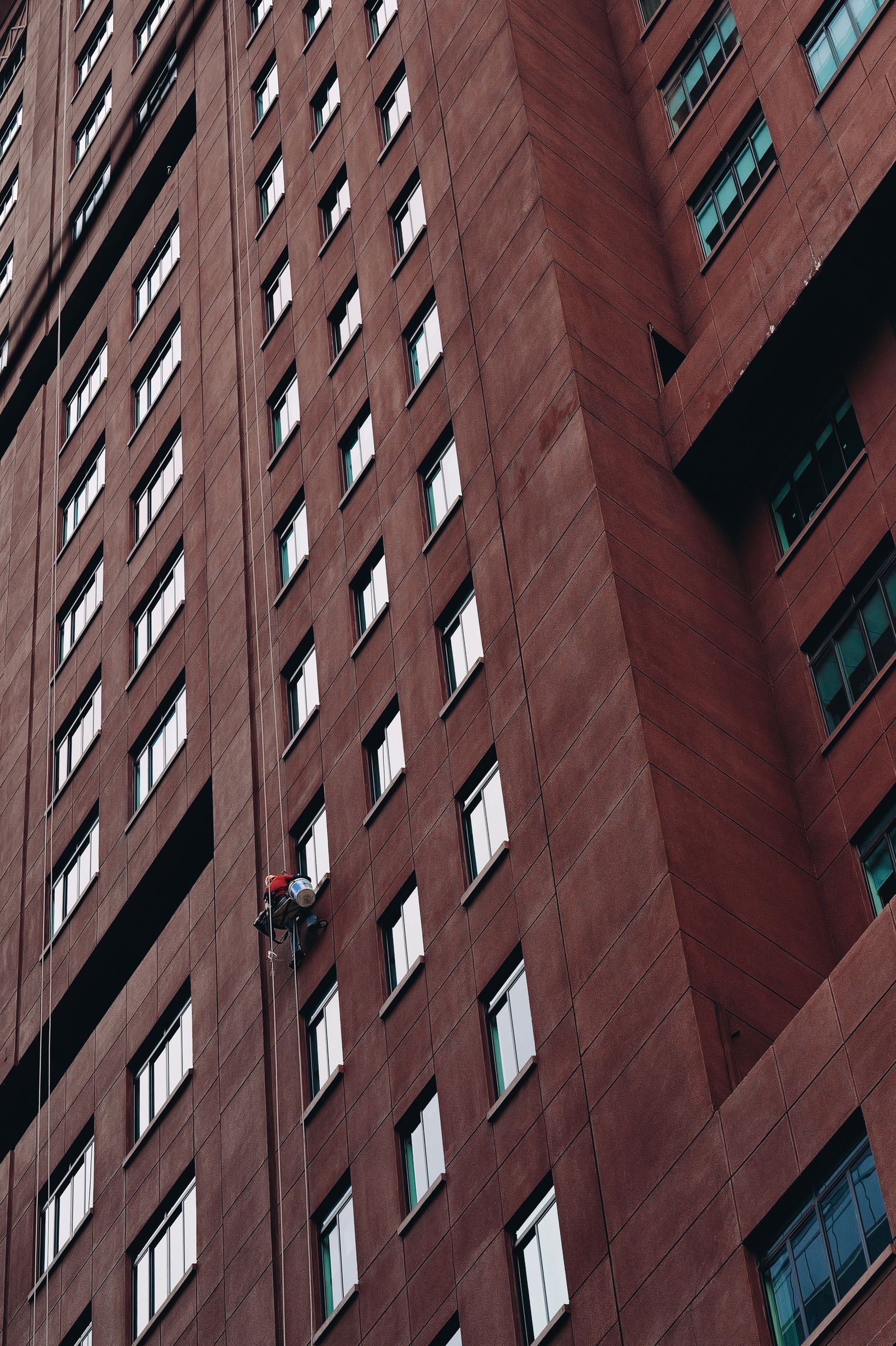
Diagnose Dublin's stain before choosing the equipment
A dark or green mark does not identify its cause. Pollen, algae-like growth, mildew-like staining, bird residue, soot, salt, efflorescence, oxidation, hard-water minerals, tire splash, and roof-edge streaks can look similar from the parking lot. A shaded wall beside landscaping may stay damp longer than a south-facing wall. A lower elevation near a garage ramp may carry brine. A mark below a parapet may be a drainage problem. Method selection should follow the likely contaminant and substrate, with a test area used when the finish or cause is uncertain.
Dublin's commercial geography changes the diagnosis. Bridge Park and Historic Dublin can have restaurant exhaust, foot traffic, patios, and close storefronts. Tuttle Crossing and Sawmill Road can add vehicle film, signage, and shared parking. Muirfield and Emerald Parkway properties may have tree cover, irrigation, and landscaped setbacks. US-33 and SR-161 corridors may have road dust, truck activity, and larger paved drainage areas. The quote should say what improvement is realistic and what may remain outside the cleaning scope.
- Organic growth: consider compatible treatment and low-pressure rinsing after testing.
- Salt or efflorescence: investigate water movement and use a material-appropriate approach.
- Minerals or oxidation: do not promise removal with ordinary soft washing or pressure alone.
- Recurring streaks: inspect gutters, downspouts, parapets, joints, roof edges, and irrigation.
Compare methods by facade zone and access
A useful Dublin comparison maps the building one zone at a time. Storefronts and entrances need hand detailing, glass and metal protection, accessible routes, and customer separation. Lower walls and garage ramps need a winter-salt review, slope and drain mapping, and careful control of splash. Upper elevations need a decision about poles, lifts, aerial support, or another access method. Recessed trim, signs, louvers, canopies, and joints may need contact work even when a broad wall can be treated from a distance.
Drone assistance can be considered for suitable upper work when stand-off distance, launch and recovery space, visual control, wind, public separation, airspace, and ground coordination support it. It does not replace inspection, repair, hand detailing, contact glass cleaning, or a lift where those are required. Dublin properties near roads, utilities, trees, active tenants, and nearby aircraft operations need an address-specific review. A hybrid plan may be the most efficient while still leaving each material with a method it can tolerate.
Ask the contractor to show the planned method for brick, mortar, concrete, EIFS, painted metal, glass, signs, canopies, and pavement separately. Ask which areas receive solution, pressure, hand work, or no work. This makes the proposal easier to compare and prevents a broad promise from hiding a narrow actual scope.
Put weather, occupants, and runoff into the decision
Central Ohio weather affects both methods. Rain can dilute a treatment and redirect rinse water. Wind increases drift and can make an otherwise workable aerial or soft-wash plan unsuitable. Cold, ice, wet surfaces, and short drying windows affect access and results. Winter salt can make a lower wall look dirty even after organic staining is removed. A property manager should ask for weather pause triggers, rescheduling terms, drying expectations, and a plan for surfaces that cannot be cleaned under the forecasted conditions.
Occupied Dublin properties need more than a clean finish. Map entrances, patient and guest drop-off, accessible paths, employee routes, patios, deliveries, air intakes, electrical equipment, vehicles, signs, and neighboring tenants. Bridge Park may require a phased sidewalk plan. Tuttle Crossing may require storefront and drive-aisle coordination. A corporate campus may require security approval. Runoff can move across sloped pavement toward curb inlets, swales, detention areas, garages, or another tenant. Depending on the site and product, controls may include diversion, collection, recovery, reduced rinse volume, filtration, plant protection, disposal, or authority coordination.
Ohio stormwater requirements and site-specific rules should be considered before treated water is allowed to leave the work area. A visible storm drain is not automatic permission to discharge. The work plan should name who monitors flow, who can stop the job, what protection is used, and what closeout photos or notes the owner receives.
Use a Dublin-specific comparison checklist
Before selecting soft washing, pressure washing, or a hybrid scope, ask what is causing the staining and how the conclusion will be tested. Ask which materials receive chemistry, pressure, hand work, or no work. Ask how the team will protect landscaping, vehicles, employees, patients, guests, shoppers, patios, electrical equipment, air intakes, and accessible routes. Ask where water will go from each facade and what happens at a curb inlet, swale, or shared parking slope.
If aerial support is proposed, ask which elevations require it, what controls apply near roads, utilities, trees, tenants, and aircraft activity, and what work remains on the ground. Commercial drone operations must follow applicable Federal Aviation Administration requirements; a tall wall does not automatically make a drone the best answer. The proposal should explain test-area results, weather pauses, included elevations, limitations, documentation, and work that belongs with a repair or restoration trade.
Send the property address, use, facade materials, approximate height, problem areas, photos, desired timing, water access, nearby drains, tenant or production constraints, and known leaks or repairs. Contact Drone Building Cleaners at +1 239-351-2897 or contact@dronebuildingcleaners.com to get in touch. We can help review where soft washing, controlled pressure, aerial assistance, or a hybrid approach may fit the Dublin building and its operating day.